Getting children excited about gardening is one of the easiest ways to boost their connection to their food and to get kids to eat vegetables. And yet many children don’t know that grapes grow on vines and that carrots are the roots of a plant.
I’ve made sure that’s not the case with my kids. Last summer, my 3-year-old son would go out into the garden, harvest a bowl of kale, and then eat much of it. He took pride in his little garden plot, and would offer cherry tomatoes to neighbors passing by.
Growing a gardening curiosity
Kids love hands-on learning and exploration. Follow these five tips for fun and healthy gardening with children.
Give them a good plot with lots of sun
My kids each have their own small garden bed to tend. They have good plots with rich soil and lots of light. I try to set them up for success. I do some weeding here and there. My kids are still young and I want their early gardening experiences to be positive yet realistic.
Ensure it is a manageable size
Although it is easy to get swept up in spring excitement, it is advisable to create a kid’s garden plot that is a workable size, so the kids can plant, weed, and harvest the garden with only a bit of help. This size will vary by the age of the child, their available time and attention span.
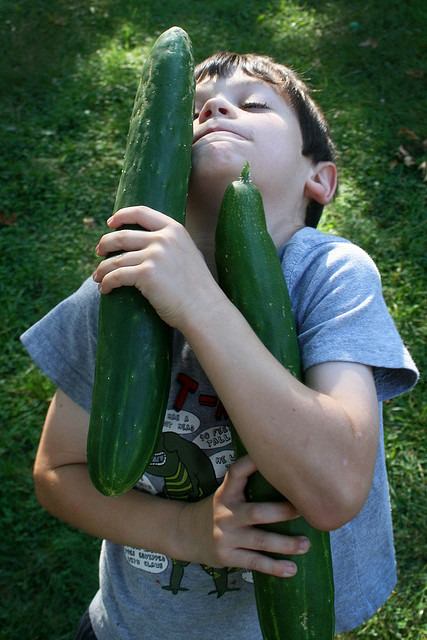
Image courtesy of woodleywonderworks.
Choose fun and easy plants
Although these crops vary by climate, some are easier to grow and harvest than others.
- Sugar snap peas and cherry tomatoes are favorites in our house, as they can be harvested early in the year, are easy for little fingers to grab, and they don’t require much work.
- Cucumber plants are delightful for many kids, and can be served in many different ways.
- Pumpkins, gourds, and squash are also super fun if you have enough space, and the kids learn patience in waiting for them to mature.
We have tried growing a couple of crops that aren’t ideal for our climate, including artichokes and melon, but I let the kids know that our growing season may be too short to harvest anything.
Guide them but follow their lead
I try to be more of a facilitator than the expert, so they can follow their own inspiration. My daughter is very excited to grow flowers this year, but I’m much more interested in her growing vegetables. She would probably lose interest in her garden if I insist on her growing only vegetables, so I’m trying to find a balance.
Make dinners that use their crops
My kids are delighted by contributing to our meals with veggies they harvest. It is also a really wholesome way to motivate them to keep maintaining the garden, when summer weeds are taking over. I will often plan a meal around a couple of veggies or spices they cultivate.
Since they know the plants in their own plots well, I could even ask my 3-year-old to harvest needed ingredients. I just make sure I’ve trained them on how to do this, so they don’t uproot a parsley plant or eat tomato leaves when trying to help.
Do you garden with your children? Share your tips and experiences with the community in the Earthling Forum.
Feature image courtesy of UGA College of Ag & Environmental Sciences. Originally published on September 20, 2016, this article was updated in May 2020.
You Might Also Like…
5 Tips To Cultivate Happy Gardening With Your Children
May 8, 2020Good, Better, Best: Reducing Your Transportation Carbon Footprint
May 7, 2020Earth911 Quiz #41: Where Did All the Ice Go?
May 7, 2020The post 5 Tips To Cultivate Happy Gardening With Your Children appeared first on Earth911.com.
from Earth911.com https://ift.tt/2Wf3zGM https://ift.tt/3fwTvkn
Comments
Post a Comment