
We Earthlings: Laundry Tips To Reduce Microplastic Pollution

Did you know that by reducing the temperature of a load of laundry from hot to cold and shortening the wash cycle by about 60%, you will reduce the volume of plastic microfiber pollution generated by 52% and chemical dyes released by 74%? The microfibers come from our synthetic clothing (especially fleece) and are a growing source of microplastic pollution.

These findings were the result of research by a team at the University of Leeds, working with Procter & Gamble researchers. The researchers also found that switching from long, hot wash cycles to cool, short cycles lowers energy used per load by 66%.

Data source: Improved garment longevity and reduced microfibre release are important sustainability benefits of laundering in colder and quicker washing machine cycles, ScienceDirect

Print or share We Earthling posters to inspire others with your stories. Would you like to share a photo and story? Drop by the Earthling Forum to contribute your photos and ideas.
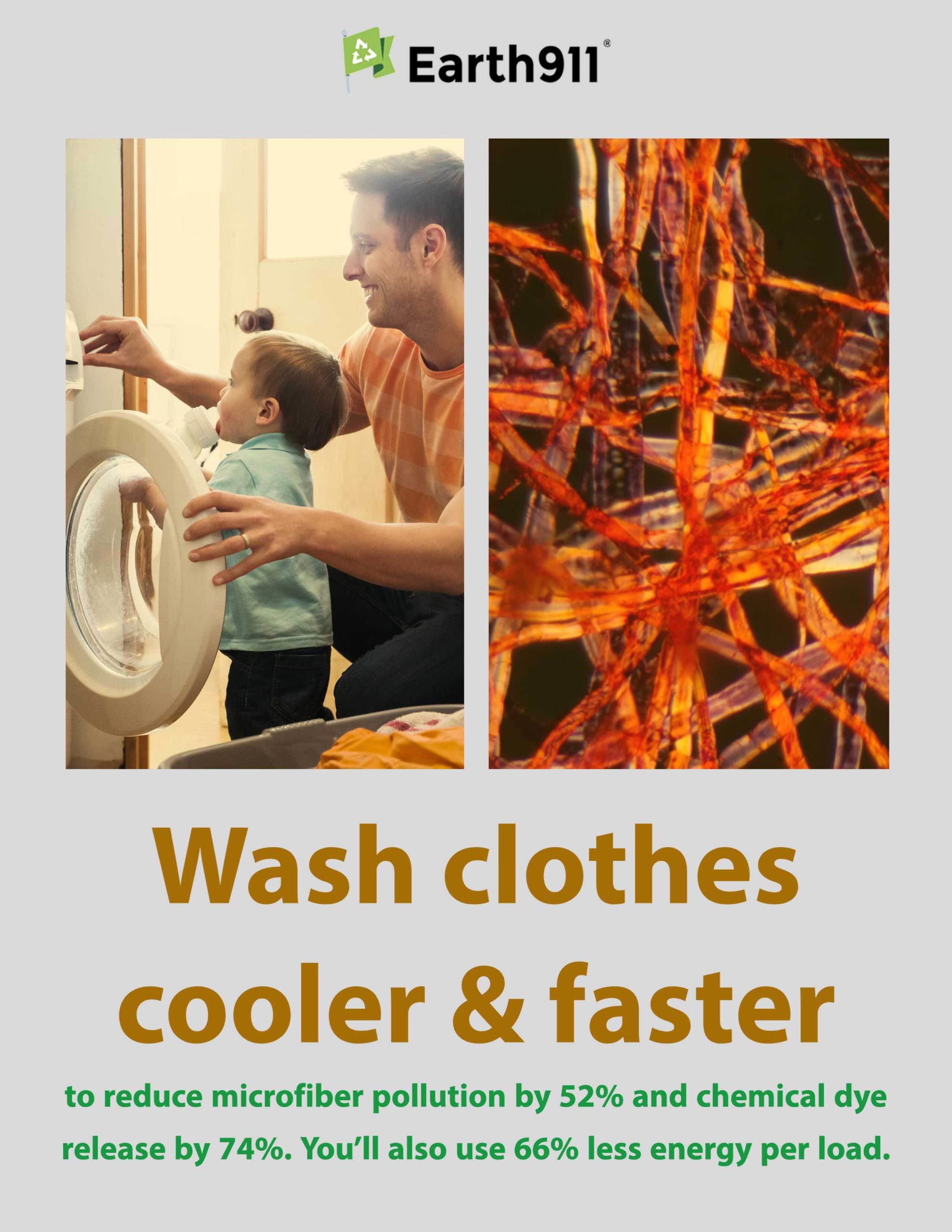
Laundry tips to reduce plastic pollution

You Might Also Like…

The post We Earthlings: Laundry Tips To Reduce Microplastic Pollution appeared first on Earth911.com.


from Earth911.com https://ift.tt/2Zq0unV https://ift.tt/3icZM5T

Comments

Popular posts from this blog

How to tar paper your roof

Tar paper is made from paper pulp or cardboard impregnated by tar. It is widely used globally as an excellent water proofing agent for rooftops. More popularly known as roofing felt paper, it is usually applied on a roof before shingling it. This prevents The post How to tar paper your roof appeared first on Ecofriend . from Ecofriend https://ift.tt/2L48Qvy https://ift.tt/eA8V8J

Urban Greening Post COVID-19: What It Means for Business

We’re at a time of crisis; how do we rebuild our economies after COVID-19 ? Humans have caused the annihilation of 83% of all wild animals and half of all plants. We’re disrupting a natural climatic balance, pushing us into a future projected to be 39.38-40.64 °F warmer. We need to take drastic action to re-balance society with nature. Cities account for 75% of resource use, 60-80% of global greenhouse gas emissions, and 50% of global waste. By 2030, the urban population is expected to grow by 70% worldwide. This makes cities a perfect hub to transition into a sustainable future. And this transition has started now. Worldwide investments are shifting from conventional to green alternative design , within which urban greening is key. In this article, we’ll look at two examples of urban greening projects, identifying the importance of businesses and individuals for the success of each. What is urban greening and why is it important? Living green walls are an urban greening ini...