Watching butterflies and birds or spotting a rabbit contribute as much to enjoyment of the summer garden as the plants themselves. When winter comes, we often forget about the garden and the wildlife that loves it. But while we are cozy indoors, the animals we enjoyed watching all summer are still out there trying to survive. How can you make your landscape friendly to wildlife in winter?
The Care and Feeding of Birds
Regardless of the season, the placement and contents of your bird feeder must be appropriate to the local species if they are to use it. Many of the birds you feed in summer may migrate away in winter, while others may fly south to where you live. Many species that stay put change their habits in winter, adding berries to their diets or forming flocks. Some hummingbirds rely on winter feeders. Use Audubon’s app to identify the birds you see near your home and use a local bird guide or contact your local Audubon chapter to learn about their needs. Providing suet or a richer seed mix can help meet their seasonal dietary needs. If you live in a cold climate, a heater can keep your birdbath or pond from freezing so that birds can get a drink.
Some birds will use roosting boxes or even plant covers for shelter in winter. For many migrating birds cleaning out birdhouses will prevent parasites and harmful bugs from overwintering in old nests.
Feeding Wildlife
With the exception of birds, experts do not recommend feeding wildlife in winter. Providing wildlife with food at any time of year teaches wild animals to rely on humans. This puts them at a disadvantage for survival if the humans change their habits or move away. It can also lead to human/wildlife conflicts. Feeding wild animals can boost the population to nuisance levels. It can also attract undesirable species like rats and coyotes, or in some areas, even potentially dangerous ones like bears.
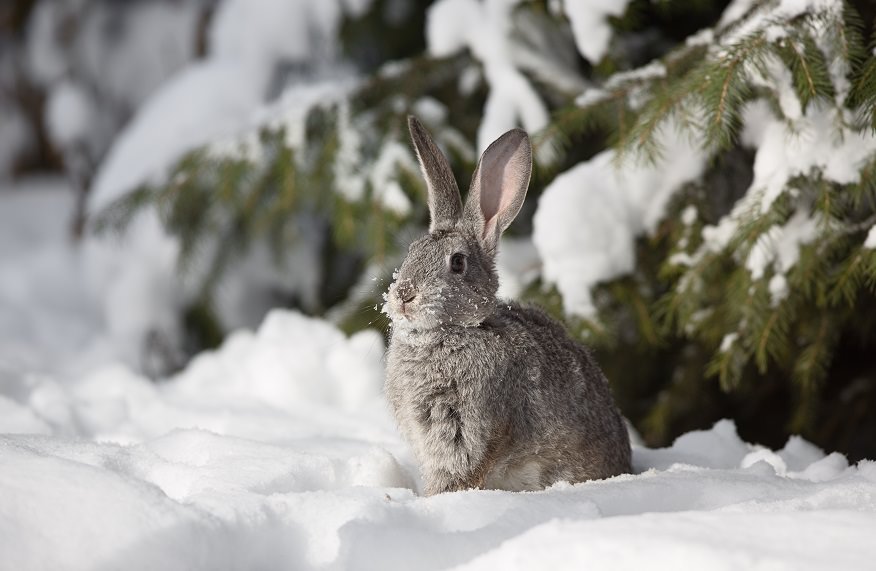
Helping Animals
Although directly feeding animals can do more harm than good, it is still possible to enjoy your animal neighbors during the winter in ways that are beneficial. Instead of putting out food this winter, spend the time designing a wildlife-friendly landscape for your garden. You can improve wildlife habitat by including natural foods in the form of native plants. Design areas of cover with evergreens, naturalistic planting areas, and brush piles.
You don’t have to wait for a garden makeover in spring to help wildlife. You can make some changes to your garden immediately that will help animals survive this winter. Maintaining an area of unfrozen standing water, preferably away from the house, can provide a source of drinking water. Leaving fallen leaves on the ground or in a pile provides a place for insects – an important food source for birds and small mammals – to overwinter. Similarly, avoid cutting back perennials until the spring. The seed pods and dead stalks provide food and shelter for small animals.
You Might Also Like…
Welcoming Winter Wildlife
Dec 31, 2020Earth911 Quiz #40: Be a U.S. Recycling Trivia Champion
Dec 31, 2020Simple Steps To Recycle Your Own Paper
Dec 31, 2020
The post Welcoming Winter Wildlife appeared first on Earth 911.
from Earth 911 https://ift.tt/3nXJNv3 https://ift.tt/3n2mz5B
Comments
Post a Comment