As the spring flowers start to appear and the days get longer, my inspiration for gardening returns. You don’t have to wait for warmer weather to get your hands dirty. Starting plants from seed is a great way to extend your relationship with your garden, have more control over the source of your seeds, and save money.
Follow these tips to get your garden off to the right start.
Pick plants that are easy to germinate
Unless you are an advanced gardener, it is best to stick to plants with high indoor germination and success rates. I’ve had good luck growing the following plants from seed: basil, broccoli, cabbage, cauliflower, chives, lettuce, melon, onion, pepper, and tomatoes. Conversely, I’ve had good luck direct sowing beans, beets, carrots, corn, peas, spinach squash, and zucchini.
Reuse containers
Save last year’s nursery flats or scour the recycling bin for 2- to 3-inch containers. Single-serve containers often work well, such as apple sauce, pudding, or yogurt. Thoroughly wash the containers and then punch drainage holes in the bottom.
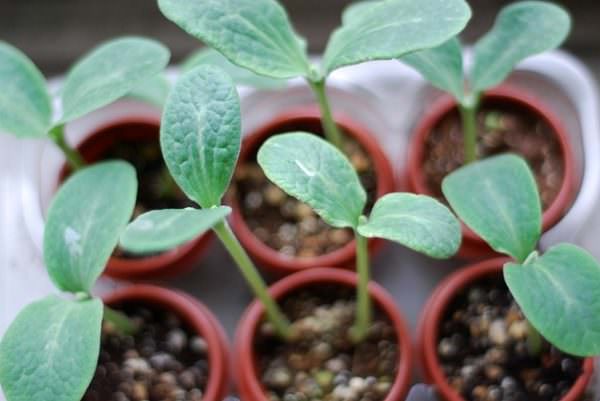
Image courtesy of Rachel James.
Growing medium
Load your containers with a starter mix, or make your own at home. Just mix equal parts perlite, vermiculite, and peat, then add 1/4 teaspoon of lime to each gallon, to neutralize the acidity of the peat.
Find a warm spot
To keep your seedlings cozy, find a home for them that is around 70 degrees F, such as near a heat vent or on a heating pad.
Top it off
To start out, cover your flats with glass or plastic wrap to keep the humidity level stable.
Keep starts damp
Ensure that your soil is moist, but not overly soggy or dry. I typically use a spray bottle to get the proper balance.
Let the light shine
Once your seeds have sprouted, uncover them, remove heating devices, and place them in light. For best results, use a grow light, with the bulb a few inches above the seedlings to avoid them getting leggy and more vulnerable to damage when planted outdoors. Try to expose the seedlings to 12 to 16 hours of light if possible, using an electric timer if necessary.
Harden them off
Before planting your seedlings, get them acclimated to the outside world by putting them out for 2 to 3 hours in a shaded spot on a warm day. Gradually increase their exposure to sun and wind for a 7- to 10-day period before planting them outdoors.
Get your timing right
Last year, my son and I planted most of our tomatoes and peppers just before a frost and then sadly watched them flounder. This highlights the importance of timing when placing your beloved seeds into the ground. Follow a guide to help inform you when to plant your seeds and check the weather forecast just before planting less hardy starts.
Feature image courtesy of Pawel Pacholec
Originally published on April 30, 2015, this article was updated in March 2021.
You Might Also Like…
Seed, Sprout, Spectacular: Tips for Starting Your Garden From Scratch
Mar 12, 2021Are Recyclable Wind Turbine Blades on the Horizon?
Mar 11, 2021Thoughts on Using COVID Relief Funds to Mitigate the Climate Crisis
Mar 11, 2021
The post Seed, Sprout, Spectacular: Tips for Starting Your Garden From Scratch appeared first on Earth 911.
from Earth 911 https://ift.tt/3lh2lWI https://ift.tt/3ck0Pim
Comments
Post a Comment